Module 1 - Where is the on switch?
Clinicians-who-code
Introduction
- Welcome and thank you for joining our course.
- We hope you enjoy the course and find it helpful.
- There are plans for further, more advanced courses, in the near future.
- Please provide feedback at the end of the course, so we can help improve things further.
The coding environment
- We will explore the development (teaching) environment.
- Get you connected to the development environment.
- Get you running some common command line functions in
Lession 1.
Python Basics
- How do we communicate with computers.
- Introduction to the python programming language.
- Learn about:
- Syntax
- Variables
- Operators
- Control flow
- Functions
- Error handling
- Then get you programming in
Lesson 2.
Build an app
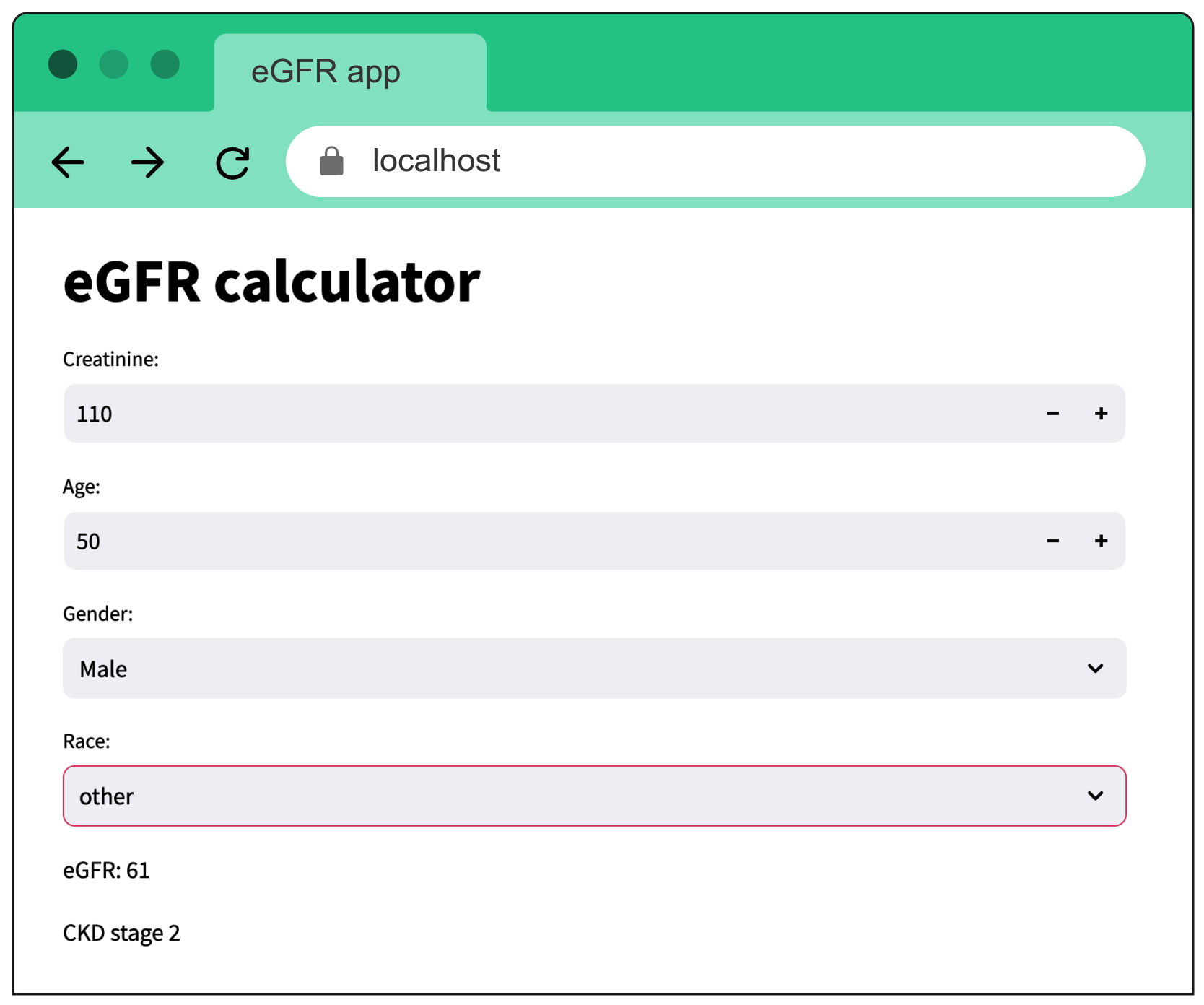
- Finally, we will get you building your own clinical app
Why learn to code?
- We learn biology and anatomy at university to better understand and practice clinical medicine. Why don’t we learn the base subject to better understand and practice digital medicine?
- Of course not all clinicians should be expected to have extensive knowledge in coding and digital health; that would take clinicians away from the front line, and also clinicians are expensive coders.
- However, having a small number of subject matter experts in both disciplines can be highly advantageous to implementing better and safer digital health projects.
How can you use your coding skills in health care?
Data analytics
Building apps
Interoperability
Automate routine tasks
Help lead a software development team with knowledge of both digital and clinical aspects.
Indeed, anything digital
Tutor groups
- Has everyone been placed in a tutor group?
Off we go to the shell